
- Your cart is empty
- Continue shopping
-
Maven
- Posted on
- Categories:Family, Home
- 0 comments
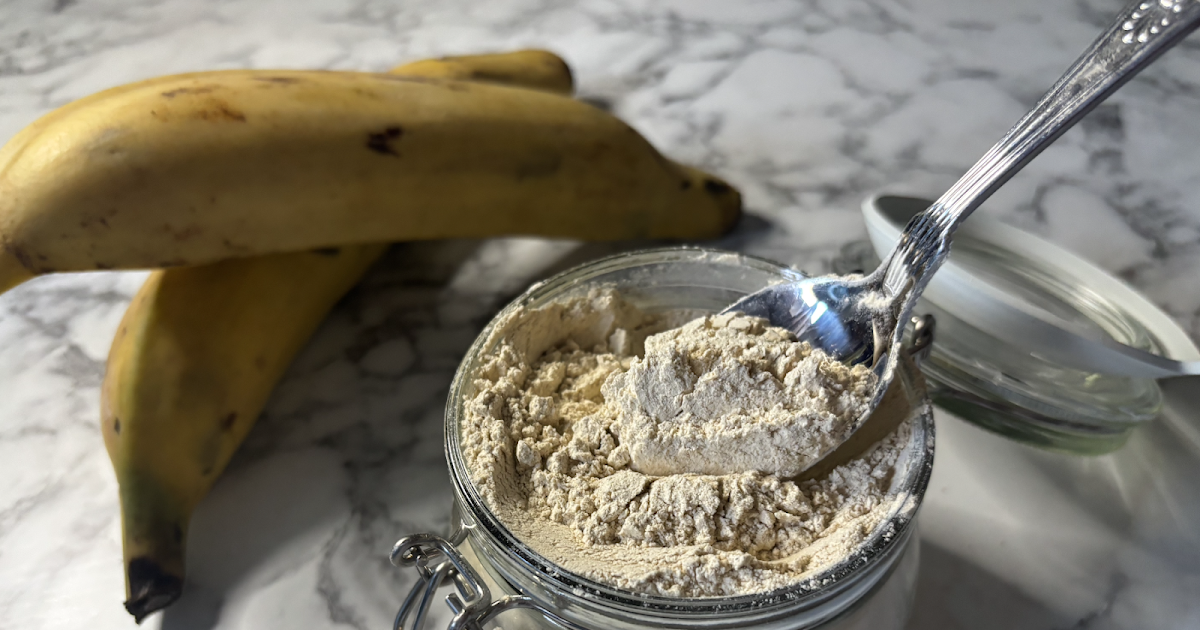
1. Peel the Plantains
Start by washing your green plantains thoroughly. Cut off both ends and make a shallow slit along the length of the peel. Use your fingers or a knife to remove the skin. Since green plantains can be sticky, rubbing a little oil on your hands can help.
2. Grate or Slice
For faster drying, grate the plantains using a coarse grater. If you prefer, you can slice them into thin rounds instead—this works well if using a dehydrator.
3. Dehydrate the Plantains
- Oven Method: Spread the grated or sliced plantains on a lined baking tray, ensuring they are evenly distributed and not overlapping. Set your oven to the lowest possible temperature (usually around 50–60°C) and allow them to dry for about 6 hours, checking occasionally to prevent browning.
- Dehydrator Method: Arrange the plantains in a single layer on the dehydrator trays. Set the temperature to 50°C and leave to dry for 6–8 hours or until completely crisp.
4. Blend into Flour
Once completely dry, transfer the plantains to a high-speed blender or food processor and grind until you achieve a fine, smooth flour. If necessary, sift the flour to remove any larger pieces and blend again.
5. Store Properly
To keep your plantain flour fresh, store it in an airtight container in a cool, dry place. If you live in a humid climate, refrigerating it can help extend its shelf life. Properly stored, it can last for up to 6 months.
How to Use Plantain Flour
Plantain flour is incredibly versatile, making it a useful pantry staple for both traditional and modern recipes.
1. Swallows (Eba Alternative)
In Nigerian cuisine, plantain flour is commonly used to make a swallow similar to eba or amala. To prepare, simply mix plantain flour with boiling water, stirring continuously until smooth and stretchy. Serve with rich stews or soups like egusi, efo riro, or ogbono.
2. Pancakes & Waffles
For a healthier breakfast option, substitute wheat flour with plantain flour in your pancake or waffle recipes. Mix it with plant-based milk, flaxseeds, and a touch of cinnamon for a delicious and nutritious start to the day.
3. Gluten-Free Baking
Plantain flour works well in gluten-free baking, adding a unique texture to muffins, cakes, and cookies. Since it lacks gluten, it’s best combined with other flours like almond or oat flour for better structure.
4. Thickening Soups & Stews
Because of its high starch content, plantain flour is an excellent natural thickener. Add a spoonful to soups or sauces to enhance texture without altering the flavour.
5. High-Protein Flatbreads
Use plantain flour to make soft, pliable flatbreads that pair well with dips and spreads. Simply mix with water, salt, and a bit of oil, then roll out and cook on a skillet.
Homemade plantain flour is easy to make, nutritious, and a great way to incorporate more West African flavours into a plant-based diet. Whether you use it in traditional swallows or modern gluten-free baking, it’s a fantastic alternative to processed flours.
Have you tried making plantain flour at home? Let me know how you use it in your recipes. And if you found this guide helpful, don’t forget to share it with others who might enjoy exploring vegan Nigerian cuisine.
Source link
#Vegan #Nigerian #Plantain #Flour #Scratch #Simple #Guide
